Sunday, May 31, 2015

Week 9 : Space & Art

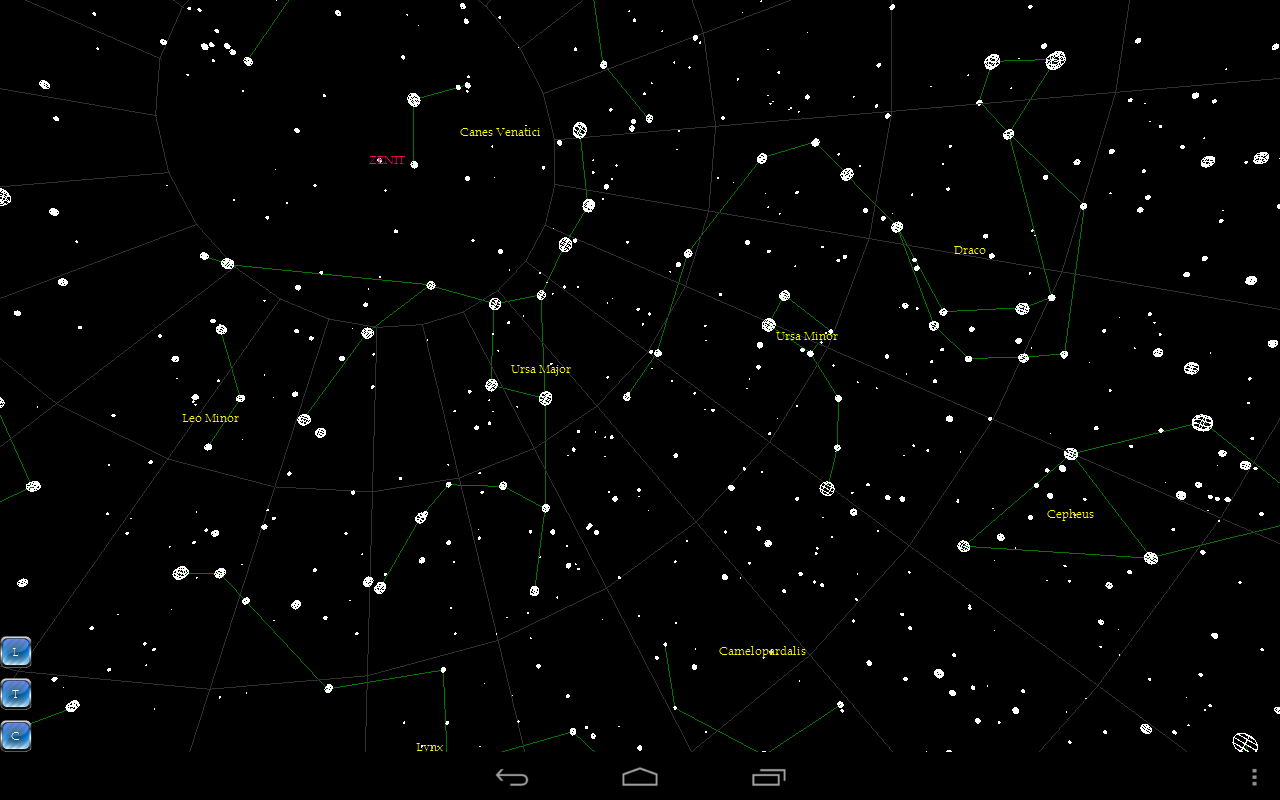
Humans are naturally curious creates that want to acquire knowledge that isn't already known. The topic we will be discussing this week deals with our desire to learn, and in this case, about space and the human's involvement. There are a number of ways astronomy and space is linked with humanity such as disguising seasonal patterns. 


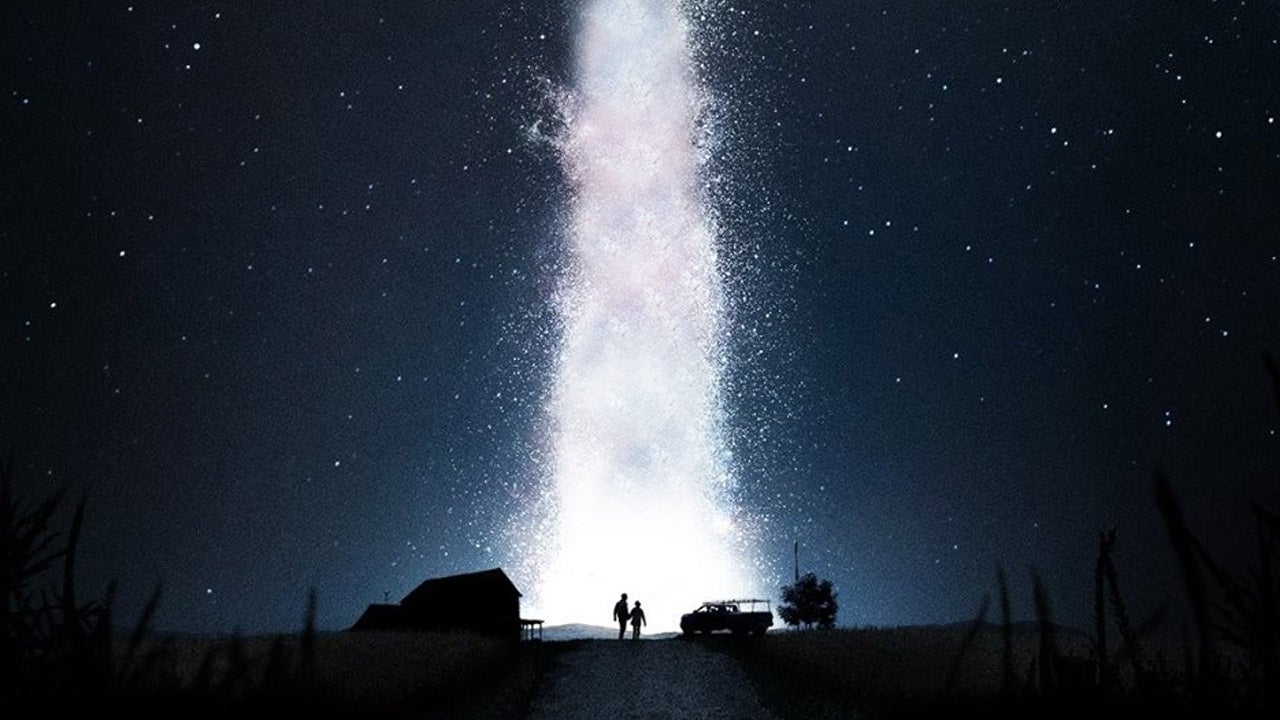
There are numerous television shows, films, and books that base their theme off of human involvement in space. For example Interstellar, Christopher Nolan's Academy Award winning movie, uses things such as blackholes and wormholes to draw the viewer's attention in due to their lack of knowledge on the topic. The filmmakers did their best during the filming process to make it as accurate as possible. Kip Thorne, a well-known astrophysicist and theorist, the production crew spent copious amounts of time trying to create an accurate space film. In doing so, they gained new knowledge about black holes (Rogers). They successfully produced a film with both art and science.


Curiosity is fuel for exploration in our world. In society, it is apparent that humans are enamored with patterns, especially in math and science. The Powers of Ten Blog makes long algorithms and number combinations much easier to interpret by incorporating them in topics such as Valentines Day and the Challenger Deep (Marlow). The "Challenger Deep" article investigates the depths of trenches. The author states that the Challenger Deep is about 11,030 meters deep. It is named the challenger after the HMS Challenger, which sounded the trench in 1875.


The curiosity within humans is what will drive us to explore sciences and arts in more detail. 


References 

"About | ARCTIC PERSPECTIVE INITIATIVE." About | ARCTIC PERSPECTIVE INITIATIVE. Arctic Perspective Initiative, n.d. Web. 01 June 2015.

"Awards." IMDb. IMDb.com, n.d. Web. 01 June 2015.

Cowen, Ron. "When the Sky Explained Everything - Issue 11: Light - Nautilus." Nautilus. Nautilus, 27 Mar. 2014. Web. 01 June 2015.

Eames Office LLC. Filmstrip Image. Digital image. Fast Co Design. Fast Co Design, 8 Oct. 2010. Web. 31 May 2015.

Holmes, Brian. "CODED UTOPIA." Continental Drift. Continental Drift, 27 Mar. 2007. Web. 01 June 2015.

"Interstellar." IMDb. IMDb.com, n.d. Web. 01 June 2015.

Levrier, Guy. "Leonardo Space Art Project Visioneers." Leonardo Space Art Project Visioneers. Leonardo, n.d. Web. 01 June 2015.

Marlow. "An Eames Office Website." Powers of Ten Blog. Wordpress, n.d. Web. 01 June 2015.

Rogers, Adam. "WRINKLES IN SPACETIME: The Warped Astrophysics of Interstellar." Wired.com. Conde Nast Digital, n.d. Web. 01 June 2015.

The 88 Star Constellations. Digital image. The 88 Star Constellations. Go Astronomy, n.d. Web. 31 May 2015.

Zeitz, Richard. Black hole scene. Digital image. Frontline Desk. Frontline Desk, 14 Feb. 2015. Web. 31 May 2015.

Sunday, May 24, 2015

Week 8 : Nanotech & Art

Nanotechnology is the future. Although most methodologies work in sciences, nano-science is an exception. We have to reevaluate how science is viewed and shift the previous conceptions or viewpoints. Nanotechnology in terms of social and economic values have the potential to change, as discussed in Dr. Gimzewski’s lecture. 
Nanotechnology’s origins were derived from Richard Feynman who suggested that that we have potential to crate tiny things on the atomic scale, which could create new technologies that change the world. In addition, he discovered that altering the behavior of nanoscale objects could impact visual and scientific effects such as new forms of color and chemistry. During the 1980s, a man named Eric Drexler had a different vision of technology that would be entirely mechanical and deterministic. Drexler had an engineer approach that would reduce to more of a level of mechanical gearing.


Nanoparticles are used far more frequently in our daily lives than imaginable. For example, nanoparticles are can be found in sunscreen, antimicrobial agents, food, electronics, and sporting equipment. This allows certain products to not wear and tear or smell that normally would. In most cases, bacteria are destroyed when nanoparticles are present. Since this is the case, they could be great if they were incorporated into cosmetic products. In addition, “nanodots” can be used to recognize and tag certain forms of disease. For example, different colors can represent different areas of the cell that are being affected. These nanodevices are tiny enough to penetrate cells allowing particles to be absorbed by cell selectivity.

There is no doubt that nanotech surrounds us in our everyday lives, but with that we must consider the negative aspect of these technologies. Nanoparticles transmitted from cars and found in foods are examples of how these technologies may be harmful. With that in mind, it is interesting to evaluate where the nanotech phenomenon is headed.


References:
Jim Gimzewski and Victoria Vesna. ‘The Nanomeme Syndrome: Construction of a New Science’, web.

Richard Feynman, ‘There’s Plenty of Room at the Bottom”, Dec 29th 1959, pdf.

K. Eric Drexler, Engines of Creation: The Coming Era of Nanotechnology, 1986, Print.

How Tiny Nanoparticles Are Transforming Technology, http://www.npr.org/templates/story/story.php?storyId=112557420 , Sep 4th 2009, podcast.

Findings on Pollution Damage http://nanowiki.info/#%5B%5BFindings%20on%20Pollution%20Damage%5D%5D , Feb 22nd 2011, web.


Sunday, May 17, 2015

Week 7 - Neuroscience & Art

I thoroughly enjoyed this week's topic. Examining and analyzing the conscious and unconscious fascinated me deeply, especially with the addition of exploring the work of Carl Jung and Sigmund Freud. The perspectives of these well respected psychoanalysts varied greatly. Jung believed the unconscious was a creative expression while Freud focused on sexuality of the unconscious. Jung also came up with the idea of Archetypes, which are patterns of thoughts that are created at birth instead of being learned over time.

The TED Talk by Vilayanur Rakmachandran discusses relationship between the mind and body and the three different ways to understand gangs. Throughout his talk he also talked about the Capgras syndrome and delusion, as well as the phantom limb and synesthesia. After analyzing these three concepts, I was reminded how self-awareness is the key to neuroscience and the connection between the mind and body truly portray human functions. Franz Gall created phrenology, which was a model used to determine mental functions and how specific characteristics were located in certain parts of the brain.

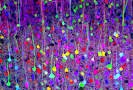
The topic this week is important because it pertains to everyday life as the brain is the main organ we use each and every day. It is important to consider that our brains control the thoughts and actions of our life. The interesting topic of neuroscience can be shown in any artistic way. There are a a number of ways neuroscience can act as a medium to which art is expressed: brainbow, scientific organization, phrenology, or analyzing the psychedelic experience of drugs like LSD or acid. No matter what your viewpoint may be in regard neuroscience and art, they is no denying that these two topics are relevant in our daily lives.


Sources: 
Audrius V. Plioplys. Artistic Explorations of Thought. Web. 17 May 2015. <http://www.plioplys.com/index.php>


Bear, Mark F., Barry W. Connors, and Michael A. Paradiso, eds. Neuroscience. Vol. 2. Lippincott Williams & Wilkins, 2007.

Vesna, Victoria. “Conscious / Memory (Part 1).” Lecture. 17 May 2015. <http://www.youtube.com/watch?feature=player_embedded&v=DLVQIwOn7o8>

Vesna, Victoria. Lecture. “Conscious / Memory (Part 2).” 17 May 2015. <http://www.youtube.com/watch?feature=player_embedded&v=Xlg5wXHWZNI>

Sunday, May 10, 2015

Week 6 : Biotech + Art

Once again, we encounter a fascinating topic this week. As a geography major, I have not spent a tremendous amount of time analyzing biotechnology, genetic engineering, and human modification, so was difficult to formulate an opinion prior to this assignment. Due to the rapidly growing trend of scientists combining forces with artists so they can create a product they want. Despite the innovative and progressive idea of viewing life itself as an expression of art, ethical implications come into play when considering the bioart movement. The leader of the bioart movement, Joe Davis, lead the way in connecting biological techniques to genetic modification as an art form (McKenna, "Joe Davis: The Mad Scientist of MIT?"). Although many consider Davis to be unconventional in his approach to bioart, it seems like his innovative approach can assist us in considering and even understanding the unknown. Methodical and calculated approaches are imperative to conducting accurate science practices, but often times there is too much of an emphasis on this.


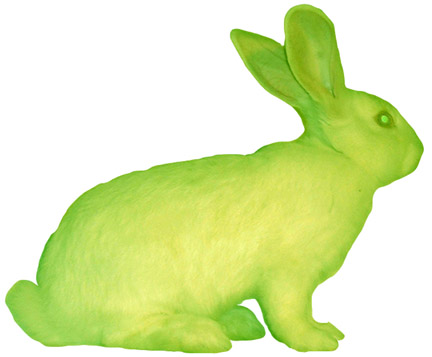
The alteration of DNA has played a huge role in creating and saving many different organisms lives. For example, the artist Eduardo Kac created the transgenic artwork of the "GFP Bunny". The integration of fluorescent green protein into the genome via zygote microinjection created a glowing bunny when put in the proper lighting. Although genetic engineering of organisms is commonly regarded as unethical, Kac has proven that Alba's physical characteristics are identical to any and all albino rabbits. Despite the unethical claims by many, I find this genetic modification extremely fascinating. Mac stated in his article that one of the most difficult parts of the transgenic process was the responses from the public. Biotechnological art seems to be largely regarded as a controversial and is commonly questioned in society due to ethical values.


Discussing examples of biotechnology art, it would be hard not to consider genetically modified foods the most relatable. Genetically modified foods are created from genetic material that has been artificially modified through genetic engineering. Th genetic modification of food is a highly debated topic in today's society. Despite GMO's being more resistant to insect pests, modified genes have the potential to be released into the wild and spread. When the herbicide resistant genes are spread into the wild weed population, there is a worry that a "supersede" that is unaffected by herbicides will overcome natural plant and animal populations.


Image result for gmo

It is interesting to analyze both sides of the biotechnology topic. While we can analyze and explore uncharted territory within nature, the results can have a negative impact if not carefully practiced. For Alba, because the bunny's physical characteristics and the environment were not damaged, I would not consider this a harmful act. However, in the case of genetically modified crops, there is potential for lasting impacts that could negatively effect the environment. Regardless of the stated examples, there is valid arguments on either side when discussing social and ethical issues concerning this topic.


Works Cited:

"Center for Food Safety | Issues | GE Foods | About GE Foods." Center for Food Safety. N.p., n.d. Web. 10 May 2015. <http://www.centerforfoodsafety.org/issues/311/ge-foods/about-ge-foods#>.


"GFP BUNNY." GFP BUNNY. N.p., n.d. Web. 10 May 2015. <http://www.ekac.org/gfpbunny.html#gfpbunnyanchor>.

"The Pros and Cons of GMO." Genetically Engineered Food News. N.p., n.d. Web. 10 May 2015. <http://geneticallyengineeredfoodnews.com/the-pros-and-cons-of-gmo>.

"Transgenic Bunny by Eduardo Kac." Transgenic Bunny by Eduardo Kac. N.p., n.d. Web. 10 May 2015. <http://www.genomenewsnetwork.org/articles/03_02/bunny_art.shtml>.

Vesna. "5 bioart pt1 1280x720." YouTube. N.p., n.d. Web. 10 Nov. 2013. Lecture Video